
When your vehicle needs a replacement part, you will typically choose between OEM (Original Equipment Manufacturer) and aftermarket alternatives. This decision impacts not only your repair costs but also your vehicle’s performance, part lifespan, and future maintenance experiences.
OEM parts are produced by the vehicle’s original suppliers, ensuring they match the exact specifications and quality standards of the factory originals. In contrast, aftermarket parts are built by independent third-party manufacturers, generally offering a wider selection and more competitive pricing.
Understanding the differences in quality, cost, fitment, and warranty support is essential for making a smart choice. This article compares OEM and aftermarket parts across these key angles to help you make the best decision for your vehicle’s condition, your budget, and your driving habits.
Table of Contents
What Does OEM Mean in Car Parts
In the automotive industry, OEM refers to components made by suppliers that originally produce parts for auto brands. These manufacturers follow the carmaker's technical standards and quality requirements. As a result, OEM parts match the original components in terms of specifications, materials, and performance. That is why they are often seen as the closest alternative to genuine factory parts in the aftermarket.
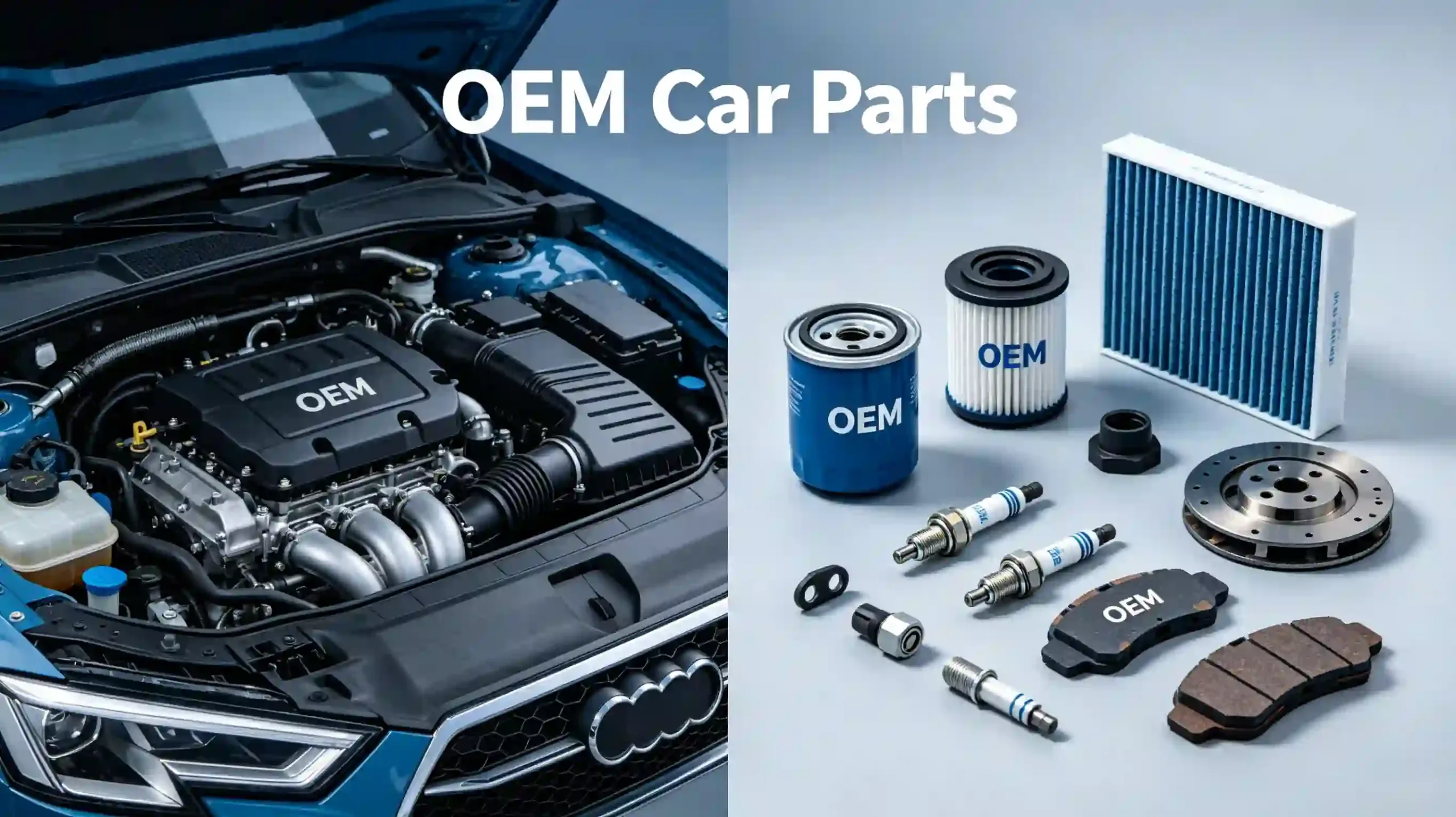
OEM parts come with 4 core features:
- High match with the original vehicle: OEM parts are made precisely to the original design parameters. They align perfectly with specific model requirements, allowing technicians to replace a worn part directly without structural modifications or custom fabrications.
- Stable and reliable quality: These parts come from suppliers that are approved or designated by the car manufacturer. Every batch follows consistent quality standards. Materials and processes are strictly validated. This helps maintain your vehicle’s original performance and reduces the risk of repeat repairs.
- Strong consistency: The same OEM part number from different production batches behaves identically. You can avoid performance fluctuations caused by varying suppliers or processes. This predictability makes repairs and replacements much easier to manage.
- Lower fitment and quality risk: Although OEM parts typically cost more than aftermarket alternatives, they reduce the chances of failures and post-repair issues caused by mismatched or unstable components. This is especially important for critical or safety-related systems.
What Are Aftermarket Car Parts
Aftermarket car parts are products made by independent automotive parts manufacturers to replace original vehicle components. These parts are not produced by the car brand's designated original suppliers. However, they are generally designed according to the original structure and specifications of the vehicle. Their purpose is to meet the needs of repairs, maintenance, or even performance upgrades.
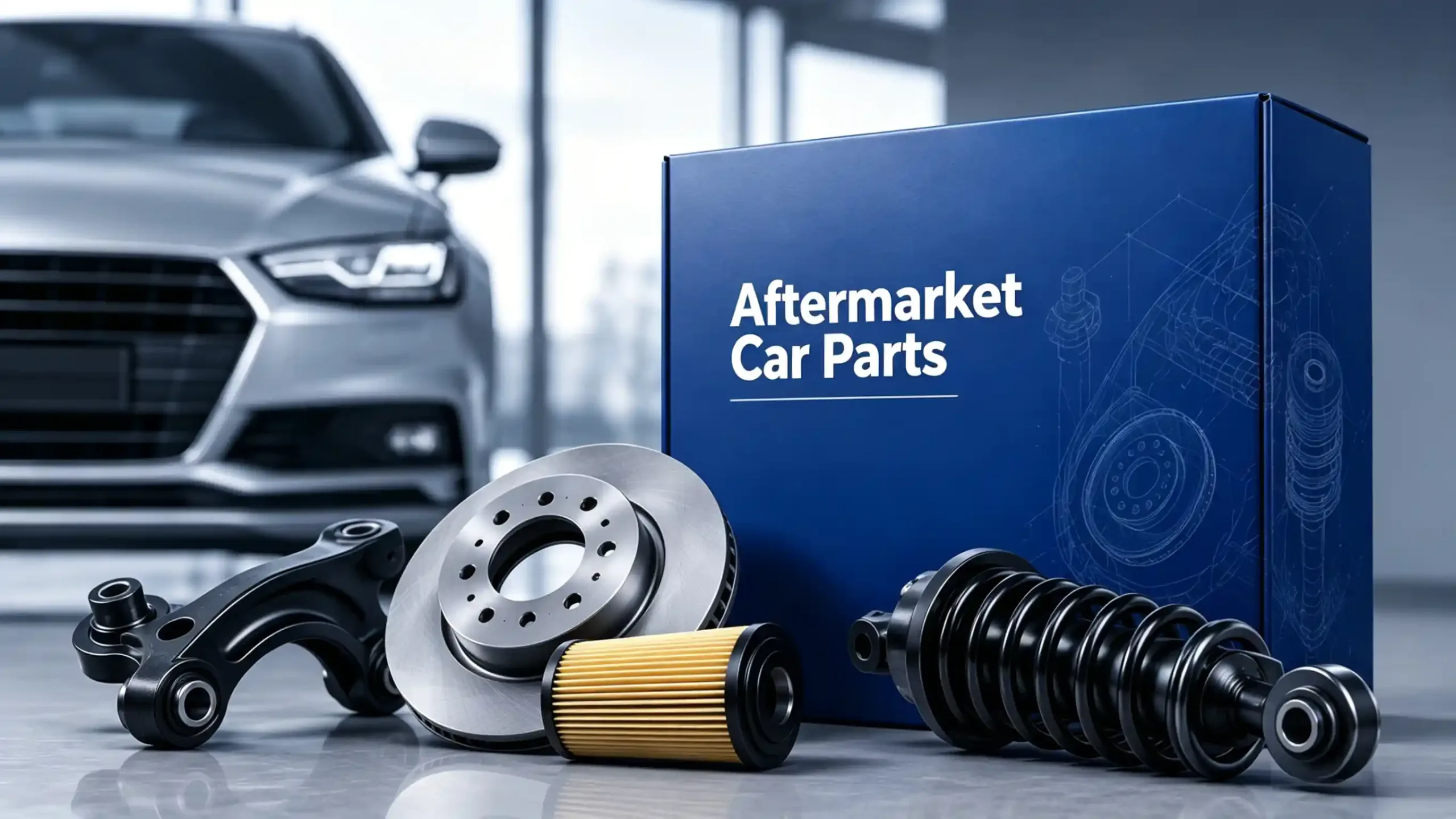
Aftermarket parts have 3 main characteristics:
- Wide brand variety: The aftermarket includes countless brands and quality levels. You will find global brands like Bosch, Brembo, Denso, and Aisin alongside regional brands and budget-friendly options. This allows you to choose based on your budget and specific needs.
- Lower prices: Due to intense market competition and the absence of original brand markup or multi-layer distribution costs, many aftermarket parts are considerably cheaper than their OEM equivalents. You can typically save 20% to 50% on the purchase price.
- Broad vehicle coverage: Many aftermarket manufacturers develop parts that fit multiple brands and models, rather than just one original vehicle type. This increases market coverage and makes sourcing parts more convenient.
In short, aftermarket parts offer clear benefits in price and selection. However, quality varies significantly between brands. To ensure reliability, look for products from the best aftermarket car parts manufacturers and evaluate the supplier and product grade before buying. To help you make an informed decision, the next section provides a side-by-side comparison of OEM and aftermarket parts regarding quality, price, fitment, and warranty.
What Is the Difference Between OEM and Aftermarket Car Parts
OEM and aftermarket parts both serve the purpose of repairing or replacing vehicle components. Yet they differ significantly in price, quality control, fitment accuracy, warranty support, and market availability. The right decision depends on your budget, the value of your vehicle, and your requirements for performance and reliability.
The table below summarizes these key differences for quick reference:
| Comparison Dimension | OEM Car Parts | Aftermarket Car Parts |
|---|---|---|
Manufacturer | Original car manufacturer or contracted supplier | Independent third-party manufacturers |
Price | Higher | 20%–50% lower |
Quality Consistency | Highly consistent, identical to original parts | Varies widely, significant differences between brands |
Fitment | 100% guaranteed match | May require specification verification |
Warranty | Typically includes 1-year/12,000-mile warranty | Varies by brand, sometimes longer |
Purchasing Channels | Dealerships, authorized distributors | Auto parts stores, online platforms, repair shops |
As can be seen from the table above, price and quality stability are the most central differences between OEM and aftermarket parts. OEM parts cost more but offer greater reliability and fitment accuracy. Aftermarket parts are 20% to 50% cheaper and provide more brand choices, though quality varies by manufacturer. Ultimately, weigh the trade-offs and decide accordingly.
Which One Should You Choose
OEM and aftermarket parts are not inherently good or bad. They simply serve different purposes. The right choice depends on your specific repair scenario. Consider your vehicle's age, warranty status, whether the part is critical to safety or performance, and your budget. These factors will point you in the right direction.
The following three sections outline when to choose OEM, when to opt for aftermarket, and when either will suffice.
When to Choose OEM Car Parts
While the market is flooded with budget-friendly options, sticking to the original manufacturer remains the gold standard for many drivers. OEM parts are generally preferable when reliability, warranty protection, and guaranteed fitment are top priorities. Consider them under the following conditions:
- New or still-warranted vehicles: For vehicles that are new or still under warranty, using OEM parts helps avoid potential warranty disputes. It also ensures complete consistency with the original design specifications, thereby reducing fitment or performance issues.
- Electronic or high-tech component repairs: Repairs involving electronic systems or high-tech components, such as sensors and ECU-related parts, typically require strict adherence to original specifications. High-quality aftermarket alternatives are relatively limited in these cases.
- Leased vehicles: With a leased vehicle, certain lease agreements may mandate the use of OEM parts for repairs.
- Body panel or collision repairs: In cases requiring body panels or collision repair parts, OEM parts generally match the original design with greater accuracy. This helps preserve the vehicle’s structural integrity and safety performance.
- Unfamiliarity with aftermarket brands: For owners who lack familiarity with aftermarket brands, opting for OEM parts is a simpler approach. It also reduces the risk of selecting a low-quality product.
When to Choose Aftermarket Car Parts
While OEM parts have their perks, they aren't always the most practical or budget-friendly choice. In fact, opting for aftermarket components can often be the smarter move. Aftermarket parts make more sense in these scenarios:
- Older or out-of-warranty vehicles: Using aftermarket parts typically reduces repair costs while offering a wider range of options. This helps resolve issues where OEM parts have been discontinued or are difficult to source locally, making it easier to find alternatives that fit different budgets and needs.
- Routine maintenance or wear-and-tear items: For items like air filters, oil filters, belts, and brake pads, many high-quality aftermarket products deliver performance that closely rivals OEM standards.
- Performance upgrades: Some aftermarket brands offer high-performance or customized products not available from OEMs, such as custom U-joints, reinforced brake systems, and high-performance suspension components.
- Familiarity with aftermarket brands: Experienced car owners can confidently navigate the vast market to select products that offer the best value for their money.
- Tight budgets: Aftermarket parts generally allow you to complete repairs or replacements at a lower cost. Manufacturers of OE-level quality, such as Zeke Parts, develop products strictly according to original technical parameters. This ensures perfect physical fitment and consistent performance without the brand premium, delivering a more cost-effective solution without compromising reliability.
When Either Option Works
For many common replacements, the choice between OEM and aftermarket comes down to personal preference rather than mechanical necessity. You can generally opt for either solution in the following scenarios:
- Common wear and tear parts: For items that require frequent replacement, like air filters, oil filters, wiper blades, and light bulbs, the technical requirements are relatively straightforward. Many reputable aftermarket brands offer performance and longevity that are fully comparable to OEM standards.
- Non-critical cosmetic components: Components like body trims, decorative covers, and interior panels have no direct impact on vehicle safety or mechanical performance. As long as the fit and finish match your standards, either option will satisfy your cosmetic and repair needs.
- Routine repairs on out-of-warranty vehicles: Once your factory warranty expires, you gain much more flexibility. Without the risk of voiding a warranty, you can freely mix and match OEM and aftermarket parts based on what makes the most sense for your wallet and your wheels.
Where to Buy OEM and Aftermarket Car Parts
Choosing a reliable supply channel is just as important as picking the right part. OEM and aftermarket parts generally flow through different sales networks. Knowing these channels helps you find the product that fits your needs better.
You can source original components through the following OEM channels:
- Franchised dealerships and authorized dealers: They provide original-standard parts and are suitable for users who value quality, fitment, and warranty support.
- Official after-sales service networks: You can search for the correct part using your vehicle information and the original part number.
- Professional OEM parts suppliers: They offer original matching products, often with a broader selection than a dealership.
- OEM parts wholesale platforms: These serve repair shops, fleet operators, and individual buyers looking for OEM components.
Alternatively, you can explore the following aftermarket channels:
- Independent auto parts stores: They carry multiple brands and price levels, giving you flexible choices.
- Online auto parts platforms: These make it easy to compare prices, brands, and customer reviews.
- Specialist parts manufacturers: Some focused brands, such as Zeke Parts, concentrate on specific product categories like driveshafts and U-joints. Because of specialising in one area for a long time, these manufacturers often excel in craftsmanship and quality control. Their products tend to have better consistency and durability, as well as more stable fitment and structural design.
- Large aftermarket car parts wholesalers: They maintain extensive inventories covering many brands and vehicle models.
Tips to Ensure You Get the Right Part
To ensure a seamless purchase and avoid ordering errors, consider these suggestions before you buy:
- Use your vehicle’s VIN (Vehicle Identification Number) to verify part compatibility.
- Confirm your vehicle’s make, model, year, and engine configuration.
- Look up the specific part number or OE reference number if available.
- Review the supplier’s warranty policy and return terms.
Frequently Asked Questions (FAQ)
Are aftermarket parts good?
Quality varies by brand. Some reputable aftermarket brands meet or exceed OEM standards, while budget or unbranded options can be less reliable. Instead of judging the entire category, check the brand's reputation, certifications, and customer feedback.
Is OEM or original better quality?
OEM and genuine original parts share the same core quality, as they frequently originate from the same production line or supply chain. The primary difference lies in the branding and sales channel. Genuine parts feature the automaker's logo, while OEM parts use the supplier's brand. Performance and reliability remain virtually identical.
Will aftermarket parts void my car's warranty?
Generally, no. In the US, the Magnuson-Moss Warranty Act states that a manufacturer can only deny warranty coverage if they prove the aftermarket part directly caused the damage. While laws vary by region, proper installation and normal use typically protect your warranty rights.
Conclusion
Choosing between OEM and aftermarket parts ultimately comes down to your personal priorities and your specific situation. If you value stable quality, hassle-free fitment, and strong warranty support, and you are willing to pay more for those benefits, then OEM parts are usually the safer choice. If you care more about value for money, having many product options, and you are familiar with different brands and willing to spend time comparing them, then aftermarket parts will appeal to you more.
Neither option is absolutely superior. A smarter approach is to decide based on the specific part type, your vehicle's current condition, and your budget. You can even mix both types across different components of the same car. That way, you strike a balance between cost control and driving experience. Regardless of whether you choose OEM or aftermarket parts, always select products from reliable automotive parts manufacturers to ensure quality and durability.